If you love a good holiday beef recipe with rich layers of flavor, this is definitely a good one to bookmark. The cocoa powder might surprise you, but trust me—it’s really good! Paired with fennel, paprika, and molasses, this mole-inspired spice blend pairs beautifully with the beef. The red wine reduction with juniper berries makes the whole dish feel genuinely special.
Sometimes I make this recipe with a whole tenderloin, but other times I’ll use fillets, depending on the occasion. It’s a perfect Christmas beef tenderloin because it’s elegant without being fussy. When you’re hosting someone you really want to impress, or when you’re craving a twist on a classic beef roast, this recipe always delivers!

Before we dive in, let’s talk through a few common questions about beef tenderloin and some of the ingredients that make this recipe shine.
What is the difference between beef tenderloin and beef tenderloin roast?
The tenderloin is the long, tender muscle that runs along the cow’s spine. A “beef tenderloin roast” simply refers to cooking that whole piece of meat, rather than cutting it into steaks. Both come from the same cut of meat—it’s just that one is the full piece, while the other is cooked and portioned out.
Is beef tenderloin the same as filet mignon?
Yes—sort of. Filet mignon is a small, thick medallion of meat cut from the center of the tenderloin. Filet mignon is the same meat as the tenderloin, just cut into individual steaks before cooking. If you’re looking for gourmet beef recipes you can make at home, beef tenderloin and filet mignon are both excellent starting points.


Do juniper berries go with beef?
Absolutely! In fact, juniper is one of the typical spices used in corned beef. Juniper berries are very fragrant, and they add a subtle piney flavor that pairs wonderfully with rich meats like beef, venison, and pork. They brighten red wine sauce recipes (like the one included here) without overpowering their other flavors, and they bring a celebratory wintry flavor to all kinds of hearty entrees.
What other spices go with juniper?
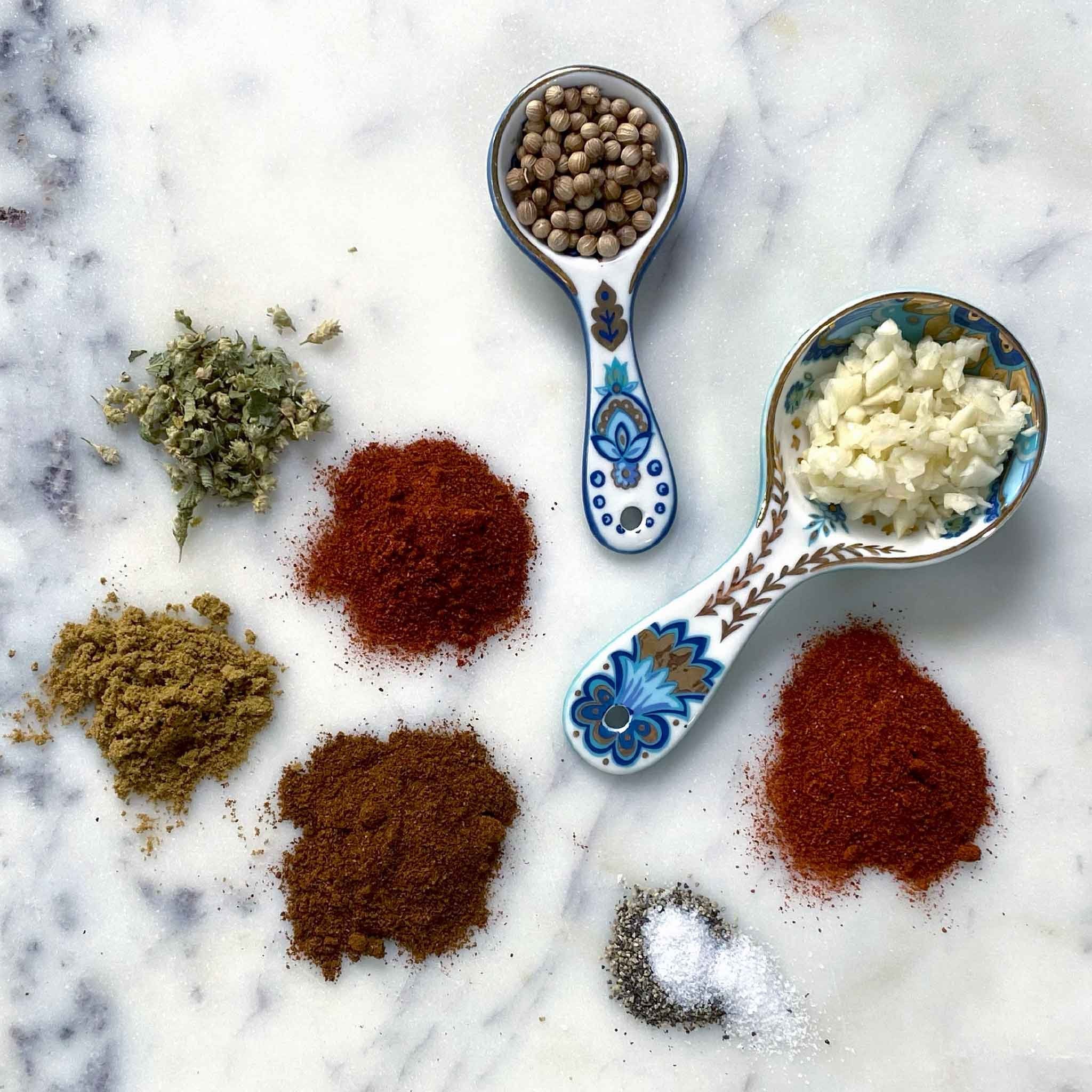
Juniper works beautifully with cinnamon, clove, allspice, black pepper, paprika, thyme, oregano, garlic, and more. In this recipe, cinnamon, fennel, and smoked paprika give the sauce and crust a warm, earthy base. Combined with cocoa and blackstrap molasses, the flavors feel bold but well-rounded. The inclusion of cocoa powder was inspired by mole sauce—make sure to check out my easy homemade mole sauce recipe to learn more about this yummy condiment!

What is a reverse sear? Do I need to sear my tenderloin before cooking it?
One thing I love about this dish is the reverse sear. “Reverse sear” refers to the process of slow-roasting the beef at a low temperature, then finishing it with a quick, hot sear at the end. Using this technique will keep lean cuts of beef nice and tender with a perfectly rosy center. In other words, evenly cooked with a perfect crust, but not overdone.


How do you know when beef tenderloin is done? What is the best beef tenderloin temp?
I think the best way to cook beef tenderloin is medium-rare. To cook yours this way, check the temperature of the meat with a meat thermometer. Insert the thermometer into the thickest part of the meat. When it registers 125 to 130 °F, you can take it out of the oven to rest. But of course, you don’t have to agree with my preferences! The best beef tenderloin recipe is the one prepared the way you like it, so make sure to check out this handy temperature guide for more information.


If you have leftovers, don’t let them go to waste!]
The cocoa-based paste in this recipe is not exactly a rub or a marinade. It’s loosely inspired by mole: rich, slightly sweet, earthy, and a little spicy. You can use the leftover sauce (or any leftover beef!) in homemade rice bowls or tostadas. Try it with my Flaming Tequila Shrimp or some Grilled Portabella Mushroom Tacos!


Beef Tenderloin Recipe with Cocoa Fennel Crust and Red Wine Sauce
This elegant beef tenderloin recipe features a cocoa and fennel crust with warm spices, molasses, and smoked paprika. A rich red wine and juniper berry reduction brings everything together with deep holiday flavors. Perfect for Christmas, New Year’s, or any special occasion!
Ingredients
Instructions
- Before you make the crust, take the meat from the fridge, place it on a parchment-lined baking sheet, and pat it dry. Let it sit to bring it up to room temperature (about 30 minutes).
- Preheat the oven to 275 °F.
- In a small bowl, combine the cocoa powder, toasted fennel seeds, paprika, chili flakes, sugar, and salt. Gradually add water, a tablespoon at a time, to form a thick paste. It should be about the consistency of jam.
- Vigorously stir in the molasses. Spread this sticky mixture evenly over the entire top and sides of the meat. Don’t worry about the bottom.
- Place the tenderloin in the center of your preheated oven for about 45 minutes, or until a meat thermometer inserted into the thickest part registers 125 to 130 °F for medium-rare. Remove from the oven and set aside to rest for 5-10 minutes. Note: If there are juices in the pan, make sure to add them to your finished red wine reduction (see below).
- While the beef is roasting, pour the red wine into a small saucepan over medium-high heat. Bring to a boil, then turn down to a low simmer. Continue to simmer until the mixture is reduced in volume by half.
- Add the beef broth, balsamic vinegar, cinnamon, sugar, salt, crushed juniper berries, garlic, thyme, and oregano. Bring to a rolling simmer and reduce by about half again, or until the mixture lightly coats the back of a spoon.
- Strain through a fine-mesh sieve and return to the pan. Grind in some fresh black pepper, then add the room-temperature butter, give it a whisk, and keep warm off heat.
- In a heavy-bottomed skillet over medium-high heat, melt the remaining butter and oil. Sear the meat for 2 to 3 minutes, crust side down, then flip and sear the other side for 2 to 3 minutes, basting as you go.
- Transfer the meat from the pan to a cutting board or serving platter and let it rest for 5 minutes before slicing across the grain. Serve with the red wine juniper reduction.